Fiber cement siding is the go‑to solution for homeowners who want a durable, fire‑resistant, and low‑maintenance exterior that still looks like wood or stucco. In 2026 it has become the most popular cladding for new builds and major remodels because it combines the strength of cement with the flexibility of cellulose fibers, delivering a weather‑resistant material that can stand up to rain, wind, and UV exposure without cracking or fading. If you’re weighing options for a cost‑effective home renovation, the performance data and long‑term savings of fiber cement siding speak for themselves.
Why Fiber Cement Siding Beats Traditional Options
Unlike vinyl or aluminum, fiber cement does not warp under extreme temperature changes. Its composition—typically 55% cement, 30% sand, and 15% cellulose—creates a dense board that resists moisture intrusion, a common cause of rot in wood siding. According to the Portland Cement Association, fiber cement’s fire rating is Class A, meaning it will not contribute to flame spread, a critical factor for homes in wildfire‑prone regions.
In addition to fire resistance, the material’s inherent hardness makes it highly resistant to impact damage from hail or flying debris. This durability translates into lower life‑cycle costs: while the upfront price may be 15‑20% higher than vinyl, the need for repainting, sealing, or replacement is dramatically reduced. Homeowners report an average 30% savings over a 30‑year period compared to wood siding, according to a 2025 study by the National Association of Home Builders (NAHB).
Table of Contents
- Why Fiber Cement Siding Beats Traditional Options
- Key Benefits of Fiber Cement Siding
- Comparing Fiber Cement to Other Siding Materials
- Choosing the Right Fiber Cement Product
- Board Styles and Textures
- Color and Finish
- Installation Essentials: What to Expect
- Cost Breakdown and Return on Investment
- Maintenance Tips to Extend Lifespan
- Common Mistakes and How to Avoid Them
- Improper Fastening
- Skipping the Weather Barrier
- DIY Cutting Without Safety Gear
- Real‑World Case Study: A 2026 Retrofit in California
- Frequently Asked Questions
- Is fiber cement siding environmentally friendly?
- Can I install fiber cement siding over existing vinyl?
- How long does the installation take?
- What warranty coverage is typical?
- Does fiber cement require repainting?
- Future Trends: What 2027 May Hold for Fiber Cement
- Bottom Line: Is Fiber Cement Siding Right for You?
Key Benefits of Fiber Cement Siding
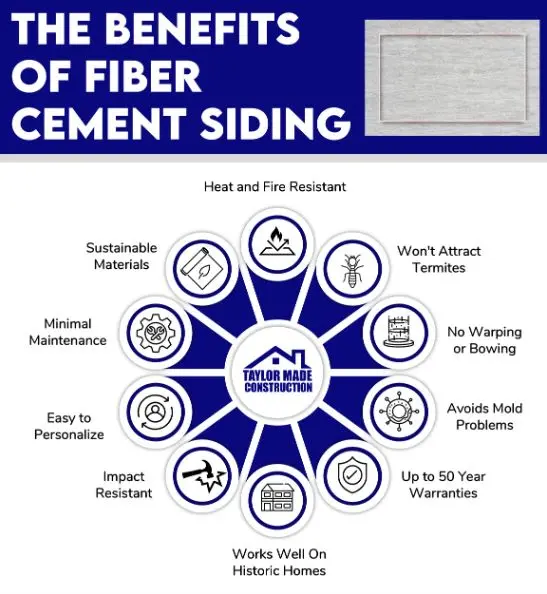
- Longevity: Expected lifespan of 40‑60 years with proper installation.
- Low Maintenance: Requires only occasional cleaning and a repaint every 10‑12 years.
- Design Flexibility: Available in smooth, textured, and board‑and‑batten profiles, mimicking wood, stucco, or even brick.
- Eco‑Friendly: Made from abundant natural resources; many manufacturers use recycled fibers and low‑VOC paints.
Comparing Fiber Cement to Other Siding Materials
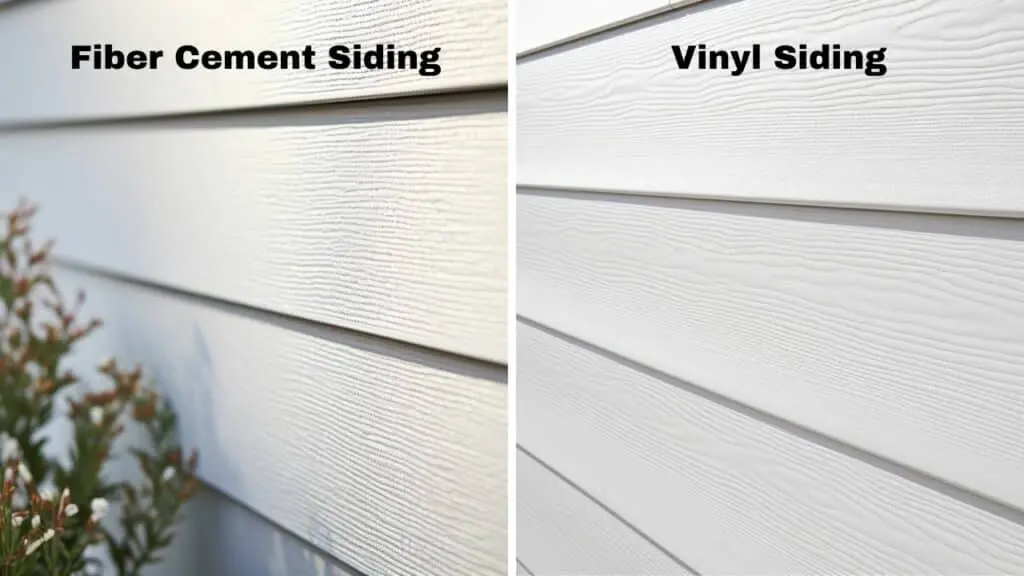
When you line up fiber cement against vinyl, metal, and engineered wood, the differences become clear:
| Material | Durability | Fire Rating | Maintenance | Typical Cost (per sq ft) |
|---|---|---|---|---|
| Fiber Cement | High | Class A | Low | $5‑$8 |
| Vinyl | Medium | Class C | Medium (replace panels) | $3‑$5 |
| Metal (Aluminum/Steel) | High | Class B‑C | Low (repaint) | $6‑$9 |
| Engineered Wood (SmartSide) | Medium‑High | Class B | Medium (repaint) | $4‑$6 |
For homeowners seeking a blend of durability, aesthetic variety, and fire safety, fiber cement stands out as the most balanced choice.
Choosing the Right Fiber Cement Product
Board Styles and Textures
Manufacturers such as James Hardie, Nichiha, and Allura offer a range of profiles. Smooth “hardiePlank” mimics traditional wood clapboard, while “hardiePanel” provides a modern, flat look. If you love the classic farmhouse vibe, board‑and‑batten options add depth without the cost of real timber.
Color and Finish
Pre‑painted options come in an extensive palette that complies with the U.S. Green Building Council’s LEED standards. For ultimate control, choose unpainted panels and apply a high‑quality, low‑VOC acrylic paint; this allows you to refresh the look every decade while maintaining the siding’s protective coating.
Installation Essentials: What to Expect
Proper installation is the linchpin of fiber cement’s performance. Here’s a step‑by‑step overview that aligns with the recommendations from the National Association of Home Builders:
- Prep the Substrate: Ensure the sheathing is flat, dry, and properly flashed. Any moisture barrier should be continuous.
- Measure and Cut: Use a carbide‑tipped saw or scoring blade; cutting creates fine dust, so wear a respirator and use a HEPA‑rated vacuum.
- Fastening: Install panels with corrosion‑resistant screws or nails spaced every 12 inches on studs. Follow the manufacturer’s recommended head clearance (typically 1/8 in.) to allow for expansion.
- Sealing Joints: Apply a high‑quality exterior caulk at all seams, corners, and around windows to maintain the weather‑resistant barrier.
- Finishing: If you chose unpainted panels, prime within 24 hours of installation, then apply two coats of paint.
Because the boards are heavier than vinyl, many homeowners enlist professional installers. If you’re searching for “siding near me”, a local contractor familiar with fiber cement can avoid costly mistakes. Our Find Reliable Siding Installers Near Me in 2026 – Expert Tips guide walks you through vetting criteria and interview questions.
Cost Breakdown and Return on Investment
As of Q1 2026, the average material cost for fiber cement siding sits at $6.50 per square foot, with labor adding $3‑$5 per square foot depending on regional rates. A typical 2,500 sq ft home therefore faces a total investment of roughly $23,750‑$29,250.
Despite the higher initial outlay, the ROI is compelling:
- Energy Savings: The dense boards add up to 0.5 R‑value, reducing heating and cooling bills by up to 7% (U.S. Department of Energy, 2025).
- Home Value: Real estate data from Zillow (2026) shows homes with fiber cement siding sell for an average of 4% more than comparable homes with vinyl.
- Insurance Discounts: Many insurers offer a 5‑10% premium reduction for Class A fire‑rated exteriors.
Maintenance Tips to Extend Lifespan
Even a “low‑maintenance” material benefits from periodic care. Follow these simple steps to keep your siding looking fresh for decades:
- Wash the exterior with a garden hose and soft brush at least once a year; use a mild detergent for stubborn grime.
- Inspect caulking and sealant joints after severe weather; re‑apply where cracks appear.
- Touch up paint chips promptly to prevent moisture infiltration.
- Trim trees and vegetation to avoid moisture trapping and to reduce the risk of bark‑beetle damage on the underlying wood framing.
Common Mistakes and How to Avoid Them
Improper Fastening
Over‑tightening screws can crush the board, while under‑driving creates gaps that allow water penetration. Use a torque‑controlled driver and follow manufacturer‑specified head depth.
Skipping the Weather Barrier
Installing fiber cement directly over an unsealed sheathing defeats its water‑resistive properties. Always include a WRB (weather‑resistive barrier) such as Tyvek or a liquid‑applied membrane.
DIY Cutting Without Safety Gear
The silica dust generated during cutting is hazardous. Always wear a NIOSH‑approved respirator and wet‑cut when possible.
Real‑World Case Study: A 2026 Retrofit in California
When a family in Santa Rosa replaced their aging wood clapboard with fiber cement in early 2026, they faced two challenges: strict local fire codes and a tight budget. By selecting a pre‑painted hardiePlank line, they met the fire‑resistance requirements without additional fire‑blocking layers. The total project cost was $27,800, but the homeowner qualified for a $1,200 insurance discount and a $2,300 energy rebate from the California Energy Commission, bringing net outlay to under $24,300. After 18 months, the family reported no paint fading and no moisture issues, confirming the material’s resilience in a coastal climate.
For a broader view on siding selection, the Home Siding Guide 2026: Choose, Install & Maintain the Best Exterior Cladding offers a side‑by‑side comparison of all major options.
Frequently Asked Questions
Is fiber cement siding environmentally friendly?
Yes. The cement base uses abundant natural sand and limestone, while the cellulose fibers often come from recycled paper. Many manufacturers have earned LEED credits for low‑VOC coatings and recycled content.
Can I install fiber cement siding over existing vinyl?
It’s possible, but not recommended. Adding the extra weight can stress the underlying sheathing and may void warranty coverage. A full removal ensures proper flashing and moisture management.
How long does the installation take?
For a typical 2,500 sq ft home, professional crews complete the job in 7‑10 days, weather permitting. DIY projects can stretch to two weeks or more due to cutting and safety precautions.
What warranty coverage is typical?
Leading brands like James Hardie provide a 30‑year non‑prorated warranty on the material itself, plus a 10‑year warranty on the finish. Labor warranties vary by installer.
Does fiber cement require repainting?
Yes, but only every 10‑12 years when using unpainted panels. Pre‑painted options retain their factory finish for the lifetime of the product.
Future Trends: What 2027 May Hold for Fiber Cement
Industry analysts from the Construction News predict a 12% annual growth in fiber cement production through 2027, driven by stricter building codes and rising consumer awareness of fire safety. Innovations such as nano‑silica additives are expected to enhance impact resistance, while integrated “smart” coatings could monitor moisture levels and alert homeowners via smartphone apps.
As the market evolves, homeowners will likely see even more design options—think textured finishes that mimic reclaimed wood or stone—without sacrificing the material’s core advantages.
Bottom Line: Is Fiber Cement Siding Right for You?
If you value longevity, fire safety, and a sophisticated look that ages gracefully, fiber cement siding is a smart investment. While the upfront cost is higher than vinyl, the reduced maintenance, energy savings, and potential insurance discounts create a compelling value proposition. Pair your material choice with a qualified installer, follow the recommended maintenance schedule, and you’ll enjoy a resilient, beautiful exterior for decades to come.
Ready to start your siding project? Explore local expertise in our Vinyl Siding Installers Near Me 2026 guide—many of the same contractors specialize in fiber cement and can provide accurate quotes tailored to your home.
